Stop Buying Milk: Your Comprehensive Guide to Purer Plant-Based Drinks
The dairy aisle at the grocery store might seem like a wonderland of choices, but beneath the glossy packaging often lies a truth many consumers are now waking up to: store-bought plant milks can be far from pure. Filled with unnecessary additives, thickeners, and hidden sugars, they often fall short of the natural, wholesome goodness we expect. But what if there was a simpler, healthier, and more economical way to enjoy rich, creamy, and truly plant-based beverages?
Welcome to
Homemade Vegan Milk Guide: Healthier, Cheaper & Delicious Dairy-Free Recipes, where we empower you to take control of your kitchen and your health by making your own dairy-free milk. This is not just a collection of recipes; it's a comprehensive guide to vegan dairy-free milk, designed to liberate you from store-bought limitations and introduce you to a world of unparalleled freshness and flavor. From creamy almond and versatile oat to exotic coconut and robust soy, you’ll discover an array of plant-based options that will redefine your perception of dairy-free drinks.
Why Ditch the Carton for DIY Dairy-Free Milk?
The allure of store-bought convenience is undeniable. Grabbing a carton of almond milk or oat milk might seem like the easiest option. However, once you delve into the benefits of making your own, the "why" becomes abundantly clear. There are compelling reasons to step away from commercial options and embrace the homemade revolution:
*
Unmasking Hidden Ingredients: Take a moment to read the ingredient list on most store-bought plant milks. You’ll often find a startling array of additives: carrageenan, gellan gum, guar gum, sunflower lecithin, natural flavors, and various fortifying vitamins that may not be in their most bioavailable forms. These are often used as emulsifiers, thickeners, and stabilizers, not for nutritional benefit. When you make your own, you’re in control, ensuring your milk contains only what you want it to.
*
Maximizing Nutritional Purity: Ever wondered why your store-bought almond milk tastes a bit watery? It’s often because the percentage of the actual nut, grain, or seed is surprisingly low – sometimes as little as 2-4%. The thickeners are there to give the illusion of richness. Homemade versions, on the other hand, boast a much higher concentration of their base ingredient, delivering superior flavor, texture, and nutritional value without the need for artificial aids.
*
Significant Cost Savings: While the initial purchase of nuts, seeds, or grains might seem like an investment, buying them in bulk drastically reduces the per-serving cost of homemade milk. Commercial plant milks, especially those with cleaner ingredient lists, often come with a hefty price tag. Over time, making your own can lead to substantial savings, making healthy eating more accessible.
*
Complete Customization & Control: This is where the magic truly happens. You dictate the creaminess – add more base ingredient for a richer texture, or more water for a lighter drink. You control the sweetness, opting for natural alternatives like Medjool dates, maple syrup, or monk fruit sweetener, or no sweetener at all. You can also infuse your milks with natural flavors like vanilla, cinnamon, cardamom, or cocoa powder, transforming a simple beverage into a gourmet experience.
*
Environmental Footprint: Beyond personal health and cost, choosing homemade plant milk also benefits the planet. By reducing your reliance on single-use cartons, often lined with plastic and difficult to recycle, you contribute to less waste. Furthermore, you can source your ingredients ethically and locally, minimizing transportation impacts.
Exploring Your Options: A World of Plant-Based Milk
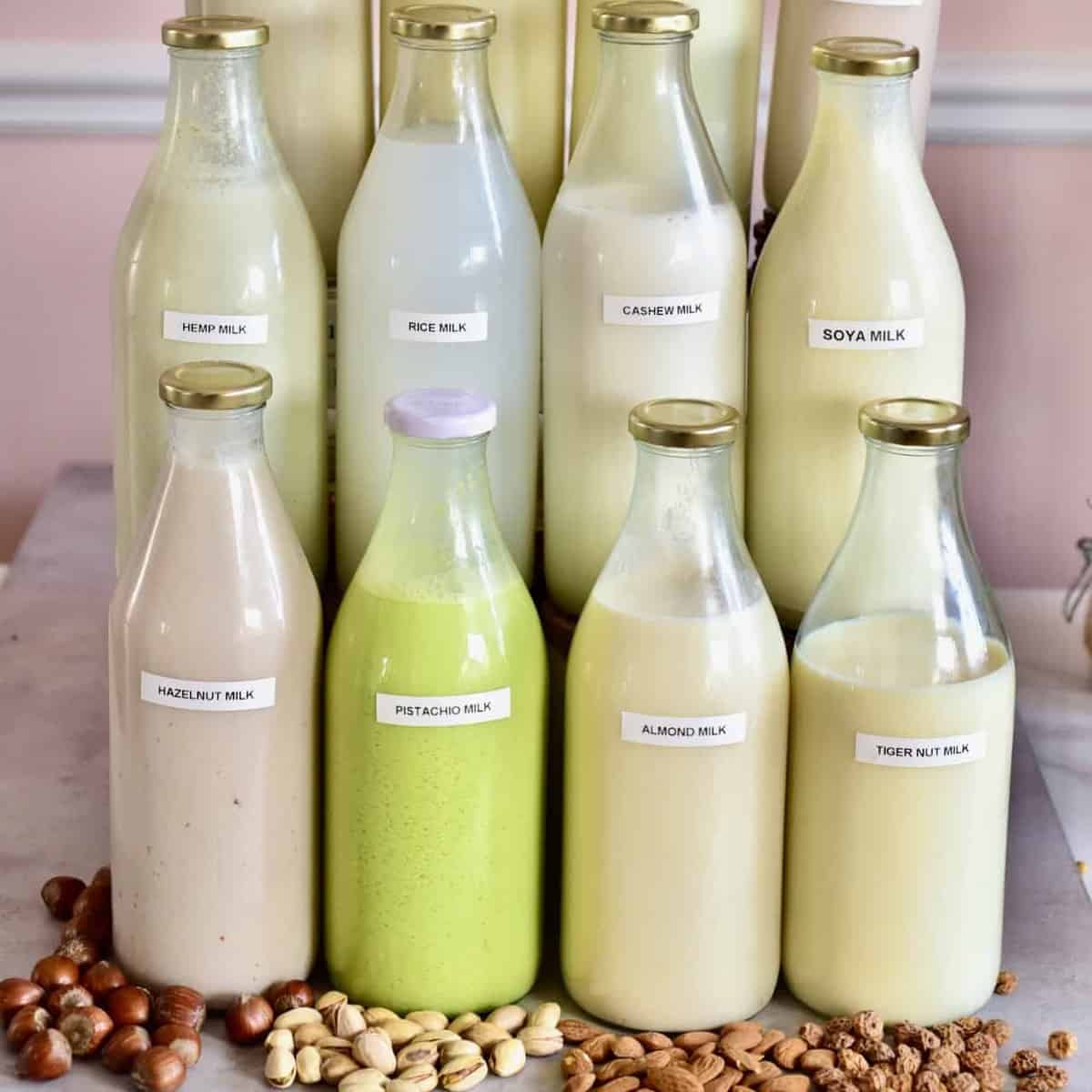
The versatility of plant-based milks is astounding. With a few simple ingredients and a blender, you can craft a delicious, wholesome beverage from almost any nut, seed, or grain. This comprehensive guide to vegan dairy-free milk covers a spectrum of bases, each with its unique flavor profile and best uses:
*
Nut Milks:
- Almond Milk: Perhaps the most popular, almond milk offers a subtly nutty flavor and a relatively light texture. It’s fantastic in smoothies, cereal, and baking. For an extra creamy version, try using blanched almonds.
- Cashew Milk: The champion of creaminess! Cashew milk is incredibly rich and velvety, making it ideal for coffee, lattes, and savory sauces. It often doesn't require straining, simplifying the process.
- Hazelnut Milk: With its distinct, warm, and slightly sweet flavor, hazelnut milk is perfect for chocolate recipes, coffee, or enjoyed on its own as a treat.
- Walnut Milk: Boasting a slightly bitter, earthy note and high omega-3 content, walnut milk is a unique choice, great in oatmeal or for a nutritional boost.
*
Seed Milks:
- Hemp Milk: Made from hemp seeds, this milk is packed with omega-3 and omega-6 fatty acids, offering a slightly earthy, nutty flavor. It's an excellent source of protein and doesn't require soaking or straining, making it incredibly quick to prepare.
- Sunflower Seed Milk: An excellent allergy-friendly option, sunflower seed milk is mild, creamy, and versatile, suitable for almost any application where you’d use traditional milk.
- Sesame Milk: Rich in calcium, sesame milk has a distinct, strong nutty flavor, best enjoyed by those who appreciate its unique taste.
*
Grain Milks:
- Oat Milk: Loved for its naturally creamy texture and slightly sweet taste, oat milk has exploded in popularity, especially in coffee due to its frothing capabilities. It's incredibly cost-effective to make at home.
- Rice Milk: A lighter, thinner option with a mild, slightly sweet flavor, rice milk is often favored by those with multiple food sensitivities due to its hypoallergenic nature.
*
Legume Milk:
- Soy Milk: A classic for a reason, homemade soy milk is rich in protein and incredibly versatile. It has a slightly bean-y flavor that some enjoy, and it works wonderfully in both sweet and savory dishes, as well as coffee.
*
Other Plant-Based Milks:
- Coconut Milk: While often bought canned, fresh coconut milk made from shredded coconut offers a vibrant, rich, and tropical flavor that surpasses its canned counterparts, perfect for curries, desserts, or a luxurious drink.
Your Homemade Plant Milk Blueprint: The Simple How-To
Making your own dairy-free milk is surprisingly simple, often requiring just two core ingredients: your chosen base and water. The basic premise remains consistent across most varieties, making it an accessible and rewarding culinary skill. Here's a general blueprint, with minor variations for specific types:
1.
Soak (for Nuts/Seeds): For most nuts (almonds, cashews, walnuts) and some seeds (sunflower, sesame), soaking is key. This softens them, makes them easier to blend, improves digestibility, and often results in a creamier milk. Soak for at least 4 hours or overnight. Oats and hemp seeds typically don't require soaking.
2.
Rinse & Combine: Drain and rinse your soaked nuts or seeds thoroughly. Transfer them to a high-speed blender with fresh, filtered water. The ratio typically ranges from 1 cup of base ingredient to 3-4 cups of water, depending on desired thickness. For a richer, creamier milk, use less water; for a thinner consistency, add more.
3.
Blend: Blend on high for 1-2 minutes until the mixture is completely smooth and milky. The longer you blend, the creamier your milk will be, as more of the solids are broken down.
4.
Strain (Most Cases): For most nut and seed milks (almond, hazelnut, hemp, oat), straining is necessary to achieve a smooth, pulp-free liquid. Place a nut milk bag or fine-mesh cheesecloth over a large bowl and pour the blended mixture into it. Squeeze firmly to extract all the liquid. Cashew milk and oat milk *can* sometimes be made without straining if you have a powerful blender and don't mind a slight texture.
5.
Sweeten & Flavor (Optional): Now is the time to add any desired sweeteners or flavorings. Blend in a few Medjool dates, a tablespoon or two of maple syrup, or a dash of vanilla extract or cinnamon powder.
6.
Store: Pour your homemade milk into an airtight glass jar or bottle and refrigerate. Homemade plant milk typically lasts 3-5 days. Always shake well before serving.
Remember, the "pulp" left over from straining nuts and seeds isn't waste! It can be repurposed into crackers, energy bites, or added to baked goods. Find more ideas in
Your Ultimate Guide to Easy Homemade Vegan Milk & Custom Plant Recipes.
Elevate Your Brew: Customizing Your Pure Plant Milks
Beyond the basic recipe, the true joy of making your own dairy-free milk lies in customization. You are the chef, controlling every nuance of flavor and nutrition.
*
Sweetness Scale: Move beyond refined sugars. Experiment with natural sweeteners like dates (Medjool dates add body and caramel notes), maple syrup (for a richer, warm sweetness), or a dash of stevia or monk fruit extract for calorie-free options. Start with a small amount and adjust to your preference.
*
Flavor Infusions:
- Classic Vanilla: A splash of pure vanilla extract elevates any plant milk.
- Warm Spices: A pinch of cinnamon, cardamom, nutmeg, or even pumpkin pie spice can transform your milk into a comforting drink.
- Chocolate Bliss: Blend in a tablespoon or two of unsweetened cocoa powder or cacao powder for a rich chocolate milk.
- Herbal Notes: For unique flavor, try blending in a sprig of fresh mint or a touch of culinary lavender.
*
Nutritional Boosts (Vegan-Friendly): While commercial milks are "fortified" with synthetic vitamins, you can add specific vegan-friendly nutrients to your homemade versions. Consider adding a small amount of calcium powder, vitamin D drops, or vitamin B12 drops for a more complete nutritional profile, consulting a healthcare professional for appropriate dosages.
Conclusion: Your Journey to Purer, Healthier Plant-Based Drinks
Say goodbye to mysterious ingredients, sky-high prices, and wasteful packaging. Embracing the art of making your own dairy-free milk is a deliciously empowering journey. It's a step towards cleaner eating, greater control over your health, significant cost savings, and a more sustainable lifestyle. This comprehensive guide to vegan dairy-free milk has equipped you with the knowledge and inspiration to transform simple ingredients into wholesome, pure plant-based drinks tailored precisely to your taste. So, blend with confidence, experiment with joy, and savor the pure goodness of homemade.