Homemade Vegan Milk Guide: Healthier, Cheaper & Delicious Dairy-Free Recipes
In a world increasingly conscious of health, sustainability, and ethical consumption, the demand for dairy-free alternatives has surged. While store shelves are brimming with options, there's a growing movement towards crafting these creamy concoctions right in your own kitchen. This isn't just a trend; it's a revelation for many seeking a healthier, more economical, and utterly delicious way to enjoy plant-based beverages. Consider this your comprehensive guide to vegan dairy free milk, unlocking the secrets to superior homemade plant-based options.
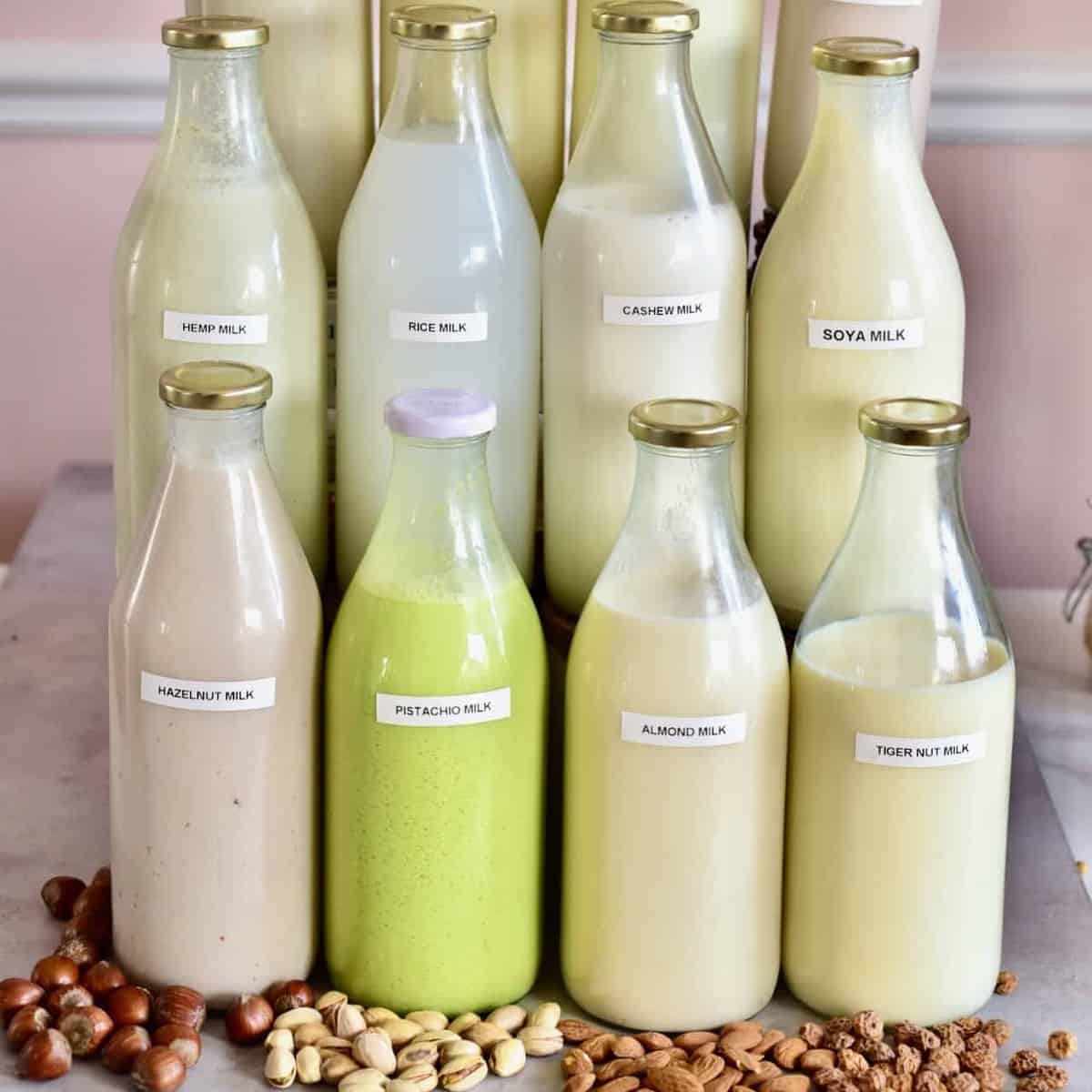
From rich almond to velvety oat, robust soy, and even versatile rice milk, the variety of plant-based milks you can create at home is astounding. Forget the limitations of store-bought cartons; with a few simple ingredients and a little know-how, you'll discover a world of flavor and freshness that will have you rethinking your grocery list. Whether you're navigating lactose intolerance, embracing a vegan lifestyle, or simply exploring healthier eating habits, this guide will empower you to create your new favorite dairy-free delights.
Why Ditch Store-Bought for Homemade Vegan Milk?
The convenience of grabbing a carton of plant milk from the supermarket is undeniable. So, why bother making it yourself? The answer lies in a multitude of benefits that extend far beyond mere culinary satisfaction. Making homemade vegan milk offers unparalleled advantages:
- Unwanted Additives & Fillers: A quick glance at the ingredient list of many commercial dairy-free milks often reveals a host of unwelcome guests: carrageenan, guar gum, xanthan gum, and other thickeners designed to mimic creaminess. These, along with artificial flavors and often excessive amounts of refined sugars, can undermine your health goals. Homemade versions, by contrast, are pure.
- Questionable Ingredient Ratios: Have you ever noticed how little actual nut, oat, or seed goes into some store-bought milks? The percentage of the base ingredient can be surprisingly low, meaning you're often paying a premium for mostly water and additives. When you make it yourself, you control the concentration, ensuring a richer, more nutritious product.
- Significant Cost Savings: Buying plant-based milks regularly can become a substantial household expense. The core ingredients for homemade versions – nuts, seeds, grains – can often be purchased in bulk, dramatically reducing the per-serving cost. Even with premium sweeteners or flavorings, homemade still works out much cheaper, making it a truly cost-effective choice.
- Complete Control Over Ingredients & Sweeteners: Personalization is paramount. Are you avoiding refined sugars? You can opt for natural alternatives like Medjool dates, maple syrup, agave, or monk fruit sweetener. Allergic to certain additives? You can easily exclude them. This level of control ensures your milk is perfectly tailored to your dietary needs and taste preferences.
- Superior Freshness & Flavor: There’s no substitute for fresh. Homemade milks boast a vibrancy and creaminess that often surpasses their packaged counterparts. You'll taste the pure essence of the nuts, seeds, or grains, leading to a truly delicious dairy-free experience in your coffee, smoothies, or cereals.
The Simple Science Behind Homemade Plant Milk
Don't let the idea of making your own milk intimidate you. At its core, the process is incredibly straightforward, revolving around just two essential components: your chosen base ingredient and water. This simplicity is part of the magic of homemade vegan milk.
The basic premise for most plant milks involves:
- Soaking (for some): Many nuts (like almonds, cashews) benefit from an overnight soak. This softens them, making them easier to blend, improving digestibility, and often enhancing creaminess. Seeds and grains may or may not require soaking, depending on the specific recipe.
- Blending: Combine your soaked (or unsoaked) base ingredient with fresh water in a high-speed blender. The ratio is key to desired consistency – more base for thicker milk, more water for a thinner, lighter beverage. Blend until smooth and creamy, usually for 1-2 minutes.
- Straining: For a silky-smooth finish, the mixture is typically strained through a fine-mesh nut milk bag, cheesecloth, or a very fine sieve. This separates the liquid milk from the fibrous pulp. While some prefer unstrained oat or soy milk for extra fiber, straining is common for a classic milk texture.
That's it! With these fundamental steps, you have the power to create a wide array of plant-based milk options, customizing them to your heart's content. The only essential equipment you'll need is a good blender and a nut milk bag.
Exploring Your Dairy-Free Milk Options: A World of Flavor
The beauty of making your own dairy-free milk lies in the vast array of ingredients you can use. Each brings its unique flavor profile, nutritional benefits, and textural qualities, making them suitable for different culinary applications. Here's a look at some popular categories:
Nut Milks
- Almond Milk: A classic for a reason. Homemade almond milk is light, subtly nutty, and incredibly versatile. It's excellent in coffee, smoothies, and cereals. Remember to soak almonds overnight for the creamiest result.
- Cashew Milk: Known for its exceptional creaminess, cashew milk often requires no straining if blended well, thanks to the nuts' soft texture. It's fantastic for richer lattes, sauces, and baking where a thicker consistency is desired.
- Macadamia Milk: A luxurious, buttery option with a higher fat content, resulting in a wonderfully rich and smooth milk that froths beautifully. Ideal for special coffees or indulgent desserts.
- Pecan/Hazelnut Milk: These offer distinct, robust flavors. Hazelnut milk pairs exceptionally well with chocolate, while pecan milk provides a warm, earthy note, perfect for seasonal beverages.
Seed Milks
- Hemp Milk: An excellent choice for those with nut allergies, hemp milk is easy to make and doesn't require soaking. It has a slightly earthy, nutty flavor and is rich in omega-3 fatty acids.
- Sunflower Seed Milk: Another fantastic nut-free alternative, sunflower seed milk has a mild, slightly sweet flavor. It's quite creamy and versatile, though it might require a good blend and strain.
- Pumpkin Seed Milk: Offers a unique green hue and a distinct, savory-sweet flavor. Rich in minerals, it's a great option for those looking to experiment beyond conventional choices.
Grain Milks
- Oat Milk: Incredibly popular for its natural sweetness and frothing capabilities. Homemade oat milk is super simple, just be careful not to over-blend, which can make it slimy. It's fantastic for lattes, oatmeal, and baking.
- Rice Milk: A lighter, often thinner milk with a neutral flavor, making it a good choice for people with multiple allergies. It's excellent in smoothies or as a base for recipes where you don't want a strong flavor interfering.
Legume Milks
- Soy Milk: A traditional plant-based milk, homemade soy milk can be made from dried soybeans. It's rich in protein and offers a robust flavor. While a more involved process (often requiring cooking the soybeans), the result is a classic, hearty milk.
Customizing Your Homemade Milk: Beyond the Basics
One of the most exciting aspects of making your own milk is the ability to tailor it precisely to your palate and nutritional needs. This is where your customizable plant-based beverages truly come to life.
- Natural Sweeteners: Beyond plain, unsweetened milk, you can incorporate natural sweeteners like Medjool dates (pitted and blended), maple syrup, agave nectar, or calorie-free options like monk fruit sweetener or stevia. Start with a small amount and adjust to taste.
- Flavor Boosters: Elevate your milk with simple additions. A splash of vanilla extract is always a winner. Consider a pinch of cinnamon, a dash of nutmeg, a teaspoon of cocoa powder for chocolate milk, or even a hint of mint. For a more adventurous twist, try a touch of cardamom or ginger.
- Fortification for Enhanced Nutrition: While store-bought milks are often fortified, you can replicate this at home. For a true healthier alternative, consider adding:
- Calcium Powder: Look for food-grade calcium carbonate or citrate to boost bone health.
- Vitamin D2/D3 Powder: Essential for calcium absorption, ensure your D3 is vegan-sourced (from lichen).
- Vitamin B12: Crucial for vegan diets, a B12 supplement powder can be blended in.
- Vegan Protein Powder: For an extra protein boost, blend in your favorite unsweetened pea, rice, or hemp protein powder.
- Plant-based Omega-3s: Chia seeds or flax seeds (ground) can be added during blending for a subtle boost of healthy fats, though they might affect texture slightly.
Tip: When adding powders, it's often best to dissolve them in a small amount of warm water first before blending with the cold milk, ensuring an even distribution.
- Achieving Desired Consistency: If you find your milk separating (which is natural for homemade milks without emulsifiers), a quick shake before use usually remedies it. For a truly emulsified feel, some opt for a tiny amount of sunflower lecithin, but most prefer the pure, additive-free approach. To make milk thicker, simply use less water relative to your base ingredient.
Practical Tips for Homemade Vegan Milk Success
Embarking on your homemade dairy-free journey is exciting, and a few practical tips can make the process even smoother and more rewarding:
- Storage: Homemade vegan milks generally last 3-5 days when stored in an airtight container in the refrigerator. Their shelf life is shorter than commercial varieties due to the absence of preservatives. Always give it a good shake before serving.
- Using the Pulp: Don't throw away that nutrient-rich pulp! Almond pulp can be dehydrated and ground into flour, used to make crackers, or added to energy balls and baking. Oat pulp can be incorporated into muffins or composted. This truly makes your cost-effective choice even more sustainable.
- Experiment with Ratios: The "perfect" ratio of nuts/seeds/grains to water is subjective. Start with a commonly recommended ratio (e.g., 1 part nuts to 3-4 parts water) and adjust in subsequent batches until you find your ideal creaminess and flavor intensity.
- Water Quality: Since water is a primary ingredient, using filtered water can significantly impact the taste of your homemade milk.
- Nut Milk Bag Care: Rinse your nut milk bag immediately after use to prevent pulp from drying and sticking. Hand wash with mild soap and air dry thoroughly.
For more specific recipes and detailed instructions on making various plant-based drinks, check out Stop Buying Milk: DIY Dairy-Free Recipes for Purer Plant-Based Drinks. And if you're looking to explore even more custom plant milk creations, don't miss Your Ultimate Guide to Easy Homemade Vegan Milk & Custom Plant Recipes.
Conclusion
Diving into the world of homemade vegan milk is a decision that pays dividends in health, savings, and culinary delight. Moving away from additive-laden, often overpriced store-bought options to crafting your own delicious dairy-free beverages is a liberating experience. This comprehensive guide to vegan dairy free milk has shown you the compelling reasons, the simple process, and the endless possibilities that await. By taking control of your ingredients, you ensure a fresher, purer, and more nutritious product tailored perfectly to your tastes. So, grab your blender, choose your base, and embark on a rewarding journey that will transform your kitchen and your daily routine with wholesome, homemade goodness.
